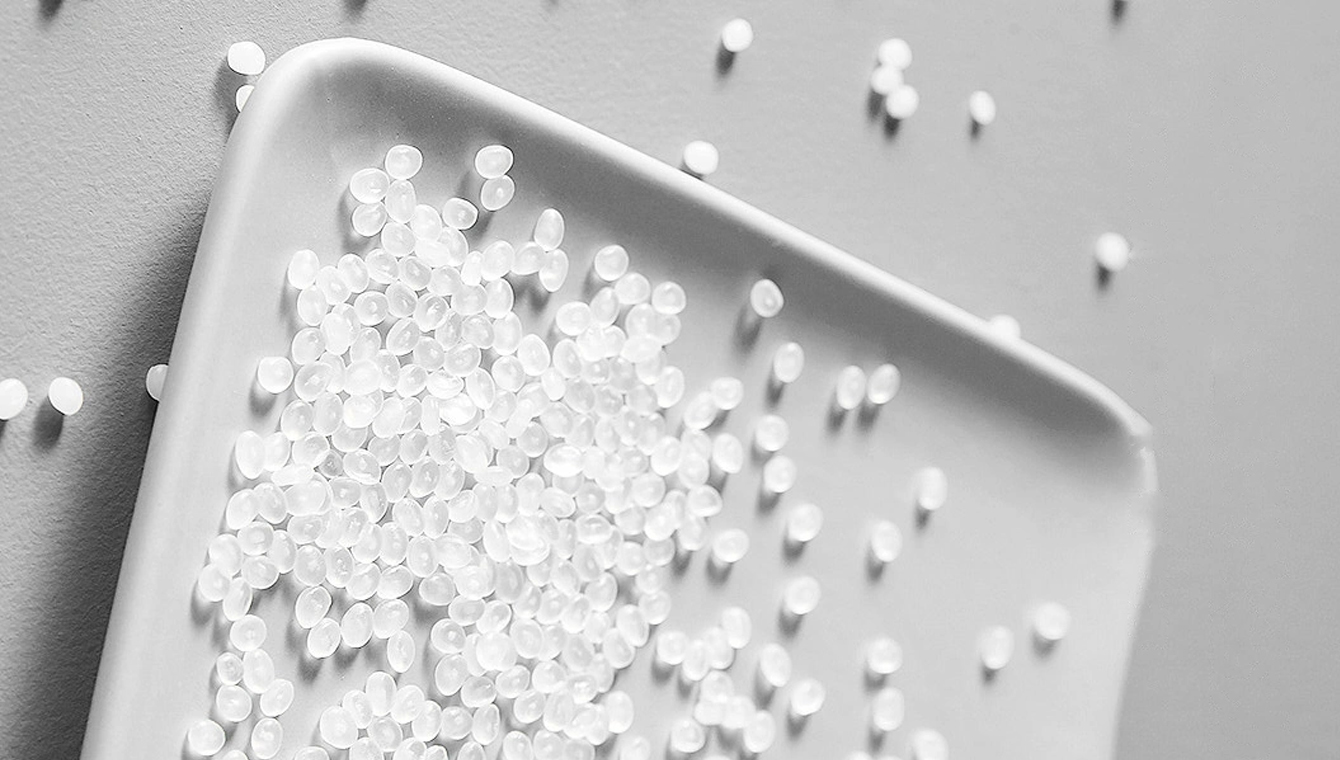


As food safety concerns continue to grow, compounded by the significant shifts in eating habits brought about by the COVID-19 pandemic, sealing rings play an increasingly vital role in food processing, packaging, storage, and household kitchen appliances. They are not just barriers against leaks; they serve as the first line of defense in safeguarding our food. Unlike ordinary sealing rings, food-grade sealing rings must meet a series of stringent standards. Today, let’s explore the differences between food-grade silicone and regular silicone, and how to distinguish whether silicone is indeed food grade.
- What is Food-Grade Silicone?
Does food-grade silicone mean it’s edible? Of course not!
Let’s reiterate: while silicone is generally considered a safe, non-toxic, and harmless material, it is still categorized into food-grade and ordinary-grade. Food-grade silicone refers to materials used in products that come into contact with our food and drinks, such as baby bottle nipples, straws, food containers (like the sealing ring in our lunchboxes), and tableware. Ordinary grade silicone is typically used for industrial purposes and is not suitable for such food-related applications.
- Differences Between Food-Grade and Ordinary Silicone
- Manufacturing Process & Methods
Food-grade silicone often uses imported raw materials. The quality is largely determined from the very beginning – the selection of raw materials. Therefore, relevant quality test reports for the raw materials are essential. This isn’t to say ordinary silicone is of poor quality; rather, the two types have different applications. Ordinary silicone products are made by compounding regular silicone, whereas higher-quality food-grade products use food-grade fumed silicone. We know silicon dioxide (silica) is a main component of silicone. The purity and density of fumed silica are higher compared to ordinary silica, leading to differences in the final product. However, these differences are subtle, mainly in tensile strength. Food-grade silicone benefits from reinforcement in its tensile properties, so it typically does not turn white when stretched. This is one key indicator for initially identifying whether a silicone product is food grade.
- Composition
Food-grade silicone is an inorganic polymer colloidal material formed by the polycondensation of silicic acid. It is non-toxic, odorless, and chemically stable. Under normal conditions, it does not react with any acids, bases (except caustic soda and hydrofluoric acid), or salts. It can withstand temperatures up to 220°C (428°F), making it suitable for microwave use, and poses no harm to the human body. Compared to other materials, it offers greater safety and health benefits. Food-grade silicone possesses strong stability and aligns well with the demands of a healthy and safe lifestyle.
- Certifications
Products made from food-grade silicone are manufactured using food-grade silicone raw materials. Depending on market requirements, they must meet various environmental and safety testing standards, such as NSF, FDA, RoHS, REACH, etc.
- Core Characteristics of Food-Grade Sealing Rings: Safety is Fundamental
The core requirements for food-grade sealing rings can be summarized as: Safety is the prerequisite, performance is the foundation, and durability is key. Specifically, they must possess the following six essential characteristics:
- Absolute Food Safety
1.1 Non-Toxic and Harmless: The material itself must not contain or release substances harmful to the human body, such as heavy metals (lead, cadmium, mercury, etc.), harmful plasticizers (phthalates), or BPA (Bisphenol A).
1.2 Odorless and Tasteless: It must not transfer any odors or tastes of its own to the food, thereby preserving the food’s original flavor.
1.3 Compliance with International Standards: It must pass strict food contact material regulations. Common certifications include:
US FDA Standards: FDA 21 CFR 177.2600.
European Standards: EU Regulation 10/2011 and the German LFGB certification.
Chinese National Standards: GB 4806 series.
- Excellent Chemical Stability
It must be able to withstand contact with various food media, such as acidic beverages, edible oils and fats, alcohols, and alkaline cleaning agents, without swelling, corroding, deforming, or experiencing performance degradation. For example, a ring sealing cooking oil must have excellent oil resistance.
- Superior Physical and Mechanical Properties
3.1 High Elasticity and Resilience: This is fundamental for achieving an effective seal, ensuring tight adhesion under pressure and quick recovery.
3.2 Low Compression Set: This refers to the sealing ring’s ability to return to its original shape after prolonged compression. The lower the value, the better the ring’s resistance to aging and the longer its service life.
3.3 Appropriate Hardness and Strength: Ensures the ring is not easily torn or permanently damaged during installation and use.
- Wide Temperature Resistance Range
It must adapt to various temperatures encountered in food processing, ranging from low-temperature freezing (-60°C / -76°F) to high-temperature cooking, sterilization (over 100°C / 212°F), and even baking (above 200°C / 392°F).
- Good Durability and Aging Resistance
It must resist aging and cracking caused by environmental factors like oxygen, ozone, and UV light, thereby extending its lifespan.
- Ease of Cleaning
The surface should be smooth and dense, making it difficult for food residues to adhere and for bacteria to grow, and easy to clean and sanitize.
In summary, for the vast majority of everyday applications, silicone is the most common choice. Correctly selecting food-grade sealing rings is a critical step in ensuring food safety.