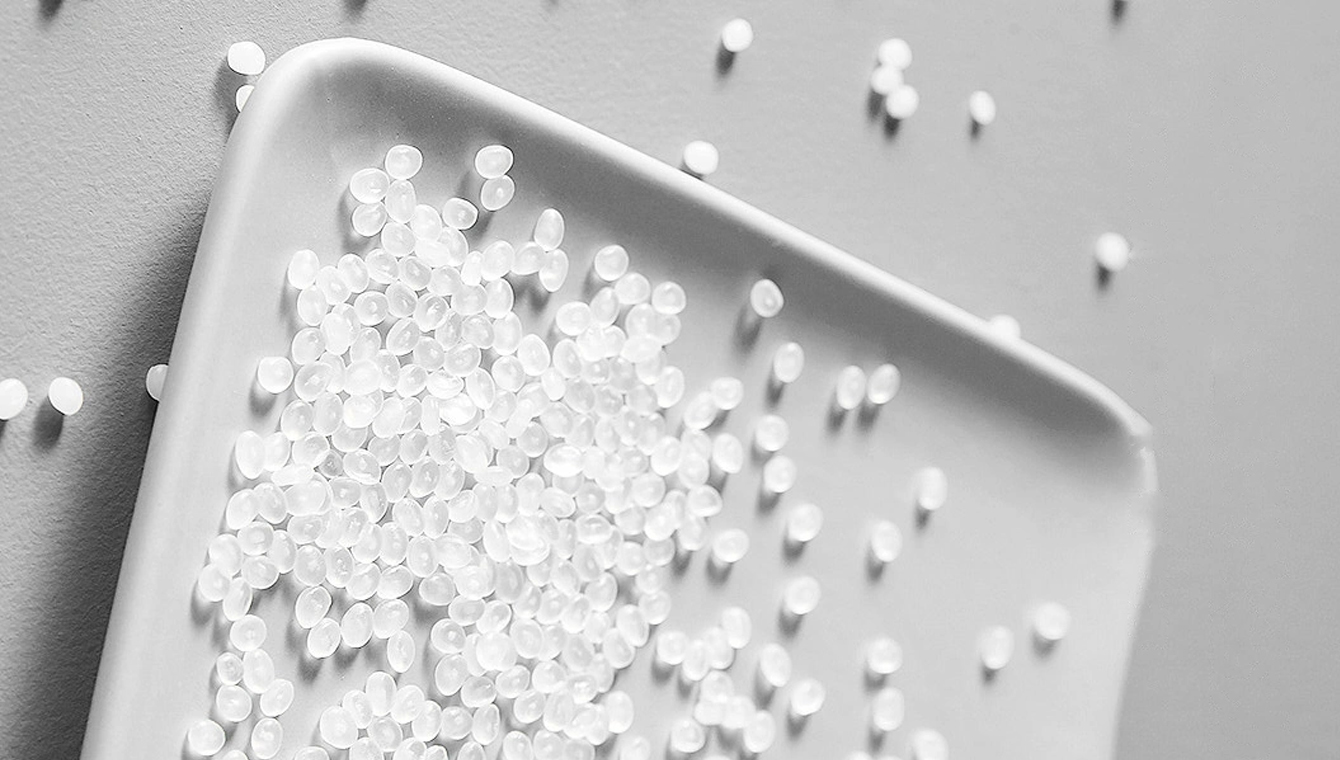


Amid the rapid development of eco – friendly tableware and recycled materials, PCR and PIR materials are gradually coming into the public spotlight. RPP (Recycled Polypropylene) reusable lunch boxes, as a key carrier for recycled plastic applications, introduce the concept of “resource circulation” into daily life, highlighting their core environmental value. They not only reduce the consumption of virgin plastic and lower carbon emissions but also enable a closed – loop cycle for food containers. Working in tandem with PCR materials, they tackle plastic pollution at its source, precisely aligning with global low – carbon development and “plastic restriction/ban” initiatives.
So, what exactly are PCR and PIR materials? What advantages do recycled plastics offer? And how do RPP reusable lunch boxes leverage these materials to realize their core environmental value?
- What is PCR Material?
PCR material is a type of “recycled plastic” with the full name Post – Consumer Recycled material.
PCR material is highly valuable. It typically refers to waste plastic generated after circulation, consumption, and use. Through physical or chemical recycling processes, it can be transformed into highly valuable industrial raw materials, achieving resource regeneration and circularity.
For example, recycled materials such as PET, PE, PP, and HDPE come from discarded plastics like commonly used lunch boxes, shampoo bottles, water bottles, and washing machine tubs. After reprocessing, they can be used to manufacture new plastic raw materials. One of the core materials for RPP reusable lunch boxes is PCR material derived from recycled and reprocessed PP (polypropylene), which is the fundamental source of its environmental advantage.
RPP, as a significant sub – category of PCR materials, has become the preferred material for reusable lunch boxes due to its high – temperature resistance, strong toughness, and safety (non – toxic). It is suitable for daily food storage and microwave heating scenarios.
Crucially, using waste plastic as its raw material eliminates the need for additional petroleum extraction to produce virgin PP plastic, thereby reducing resource consumption and environmental pollution in the plastics industry from the outset. It stands as a typical example of “turning waste into treasure” in the current eco – friendly tableware market.
Since PCR material is derived from post – consumer waste, improper handling will inevitably cause direct environmental damage. Therefore, PCR is one of the recycled plastics highly supported by brands today. RPP reusable lunch boxes, made from PCR material, further enhance the environmental value of PCR. As tableware frequently used in the catering industry and households, RPP reusable lunch boxes can be reused multiple times, substituting for disposable utensils and reducing waste generation. Meanwhile, their raw materials are sourced from recycled waste plastic, achieving the resource cycle of “waste plastic → recycled raw material → practical tableware.” This not only reduces the use of virgin plastic and alleviates environmental pollution caused by landfilling or incinerating plastic waste but also gives waste plastic a new lease on life, demonstrating a dual commitment to environmental protection.
- Why is PCR Plastic Gaining Prominence?
2.1 PCR plastic is a key direction for reducing plastic pollution and contributing to “Carbon Neutrality.”
Thanks to generations of chemists and engineers, plastics produced from petroleum, coal, and natural gas have become indispensable materials in human life due to their lightweight nature, durability, and aesthetic appeal. However, the massive use of plastic has led to a significant amount of plastic waste, with single – use tableware accounting for a substantial portion, which has exacerbated “white pollution.” Post – Consumer Recycled (PCR) plastic has emerged as a crucial direction for reducing plastic environmental pollution and assisting the chemical industry in moving towards “Carbon Neutrality.” RPP reusable lunch boxes represent a key application scenario for PCR plastic.
Recycled plastic pellets blended with virgin resin can be used to manufacture various new plastic products. RPP reusable lunch boxes are a prime example, and their environmental advantages are evident throughout the entire production and use lifecycle. During production, incorporating a certain proportion of PCR recycled pellets, as compared to reusable lunch boxes made purely from virgin plastic, can reduce carbon dioxide emissions by over 60%, significantly lower energy consumption, and efficiently utilize PP – type waste plastic, thus preventing soil and water pollution. During use, they can be reused more than 50 times, substantially replacing disposable containers and reducing total food service waste. After reaching the end of their life, they can be recycled again into RPP raw material, achieving full life – cycle environmental benefits. This truly realizes the dual value of “eco – friendly + practicality,” aligns with global low – carbon trends, and meets the environmental requirements for food contact materials.
2.2 Using PCR plastic further promotes waste plastic recycling.
The more companies use PCR plastic, the greater the demand will be. This will further enhance waste plastic recycling and gradually transform recycling models and business operations. It means less landfill, incineration, and environmental leakage of waste plastic.
The large – scale production and adoption of RPP reusable lunch boxes have significantly increased the demand for recycling PP – type waste plastic, which is one of its core environmental advantages. Daily discarded PP containers, lunch boxes, etc., after professional recycling and processing, can be converted into RPP recycled raw materials and used again to produce new RPP reusable lunch boxes.
This forms a closed – loop cycle: “discarded container → recycling & processing → recycled raw material → new lunch box.” It fundamentally breaks the traditional plastic dilemma of “use → discard → pollute,” effectively addresses the challenges of difficult recycling and low utilization rates for food container waste plastic, and promotes the normalization of plastic resource circulation.
2.3 Policy Drivers
The policy landscape for PCR plastic is expanding. RPP reusable lunch boxes, as an important application product for PCR materials, are also experiencing rapid development supported by policy tailwinds. Especially against the backdrop of increasingly stringent environmental regulations in the food service sector, they have become a crucial choice for replacing certain single-use tableware and practicing green catering.
For instance, in Europe, the EU Plastics Strategy and plastic/packaging tax legislations in countries like the UK and Germany are in place. The UK’s HM Revenue & Customs introduced a “Plastic Packaging Tax,” imposing a rate of £200 per ton on packaging with less than 30% recycled plastic. Such taxes and policies create demand space for PCR plastic and indirectly drive the adoption of RPP recycle lunch boxes. To comply with policy requirements and reduce tax costs, companies are more inclined to use RPP material containing PCR recycled content for producing reusable lunch boxes. This choice inherently fulfills environmental responsibility: promoting RPP reusable lunch boxes helps companies reduce environmental compliance costs while contributing to global environmental protection by reducing virgin plastic use and promoting waste plastic recycling. Meanwhile, many regions in China are advancing “plastic restriction/ban” policies, encouraging the use of recyclable and renewable eco-friendly tableware. RPP reusable lunch boxes, with their full-process environmental advantages, have become a key supported category. Policies also set clear requirements for harmful substance testing and safety standards for RPP lunch boxes, ensuring they achieve environmental value without compromising user safety.
Difficult recycling, complex composition, and cost-effectiveness are three major challenges facing container recycling and reuse, which also constrain the scaled production of RPP reusable lunch boxes. Incomplete collection of discarded containers or mixed compositions can affect the purity and performance of RPP recycled raw material, thereby impacting the quality of RPP reusable lunch boxes. High recycling and processing costs can dampen corporate enthusiasm for producing them.
Joyofancy addresses these three challenges through processes like pre-treatment of takeout containers, quality grading, and standardized pelletization and modification, providing high-quality recycled raw material assurance for RPP reusable lunch box production and further amplifying their environmental advantages. This enables RPP reusable lunch boxes to maintain excellent performance for long-term reuse and waste reduction while achieving higher cost-effectiveness, breaking the dilemma of “high price hindering adoption” for eco-friendly tableware. It promotes their widespread adoption, allowing more people to practice low-carbon, eco-friendly living through daily use of RPP reusable lunch boxes and contributing to plastic pollution governance.
3.1 Stage 1: Container Pre – treatment
Discarded containers are sorted from waste streams at recycling facilities, specifically targeting PP – based containers (the core raw material for RPP reusable lunch boxes). Using air classifiers, lighter plastic materials are separated, baled, and sent to large rotary screens for shredding.
The resulting plastic flakes or small pieces undergo industrial brine soaking and high – temperature washing to remove impurities and stains, achieve delamination, and complete sterilization. This is a critical step that directly determines whether the subsequent RPP recycled raw material meets the safety standards for reusable lunch boxes, avoiding safety or durability issues caused by residual contaminants.
Finally, homogenization in large mixing drums yields clean PP container fragments, laying the foundation for RPP raw material processing.
3.2 Stage 2: Quality Grading of Container Material
Before pelletization, these container fragments undergo color sorting and quality grading using specialized equipment. Color sorters equipped with spectral identification can precisely differentiate plastic fragments by colorbased on reflected light. The sorted fragments are categorized into three grades.
Grade A material, which has higher purity and gloss, ensures smooth subsequent processing and stable product quality. This Grade A PP recycled material can be directly used to produce high – quality RPP reusable lunch boxes, guaranteeing toughness, heat resistance, and aesthetic appeal, and meeting the high demands for food container material performance.
Grades B and C can be used for producing RPP auxiliary components or other recycled plastic products with relatively lower performance requirements. This enables graded material utilization and maximizes value, further enhancing the cost – effectiveness and market adoption of RPP reusable lunch boxes.
3.3 Stage 3: Standardized Pelletization and Modification
The primary step here is to add additives and fillers to maximize the performance and processing characteristics of polypropylene, which are specifically optimized for the requirements of RPP reusable lunch boxes. Incorporating additives or fillers such as coffee grounds, wood fibers, or straw fibers improves the properties of the composite material, including color, mechanical performance, shrinkage rate, flame retardancy, and material content, tailoring them to the needs of RPP lunch boxes. For example: enhancing heat resistance for microwave use; increasing toughness and impact resistance to extend the lifespan (aligning with the core “reusable” requirement); optimizing aesthetics for food service and home use, while maintaining environmental attributes, making RPP lunch boxes both practical and eco – friendly.
After thoroughly mixing these additives with plastic fragments, the blend is fed into an extruder for melting. The molten polymer is extruded into strands, which are cooled and annealed in a water bath to solidify the polymer. The solidified polymer is then pelletized using a rotary cutter, and vibrating screens select uniform, dry, and easily handled plastic pellets. These are the high – quality RPP recycled pellets, the core raw material for RPP reusable lunch boxes. The pellets are conveyed to vertical mixers for final blending.
Samples are taken from the blended pellets for laboratory testing of chemicals, harmful substances, and performance. Only products that meet quality standards and customer specifications proceed to subsequent injection molding and packaging, and are ultimately delivered to clients for manufacturing qualified RPP reusable lunch boxes. This stringent testing ensures the safety of RPP reusable lunch boxes, compliance with food contact material regulations and ROHS requirements, and guarantees performance stability for long – term reuse, maximizing their environmental value.
As a core vehicle for environmental principles, RPP reusable lunch boxes, through their full lifecycle model of “waste plastic recycling → reprocessing → reuse → re – recycling,” replace disposable tableware to reduce waste pollution, decrease virgin plastic consumption, and lower carbon emissions. They truly achieve a win – win for resource circulation and environmental benefits, contributing to plastic resource circularity and the realization of “Carbon Neutrality” goals.