

Food packaging containers are integral to our daily lives. From supermarket shelves to tableware on our dining tables, they play an essential role in how we store and consume food. However, the safety of these seemingly ordinary containers is directly linked to our health. So, how can we ensure that the containers we use are safe?
- Material Selection for Food Packaging Containers
Food packaging containers are made from a variety of materials, including plastic, metal, glass, and ceramics. Each material has distinct properties, and their impact on food safety varies accordingly. For example, some plastic containers may release harmful substances when exposed to high temperatures and should therefore be used with caution.
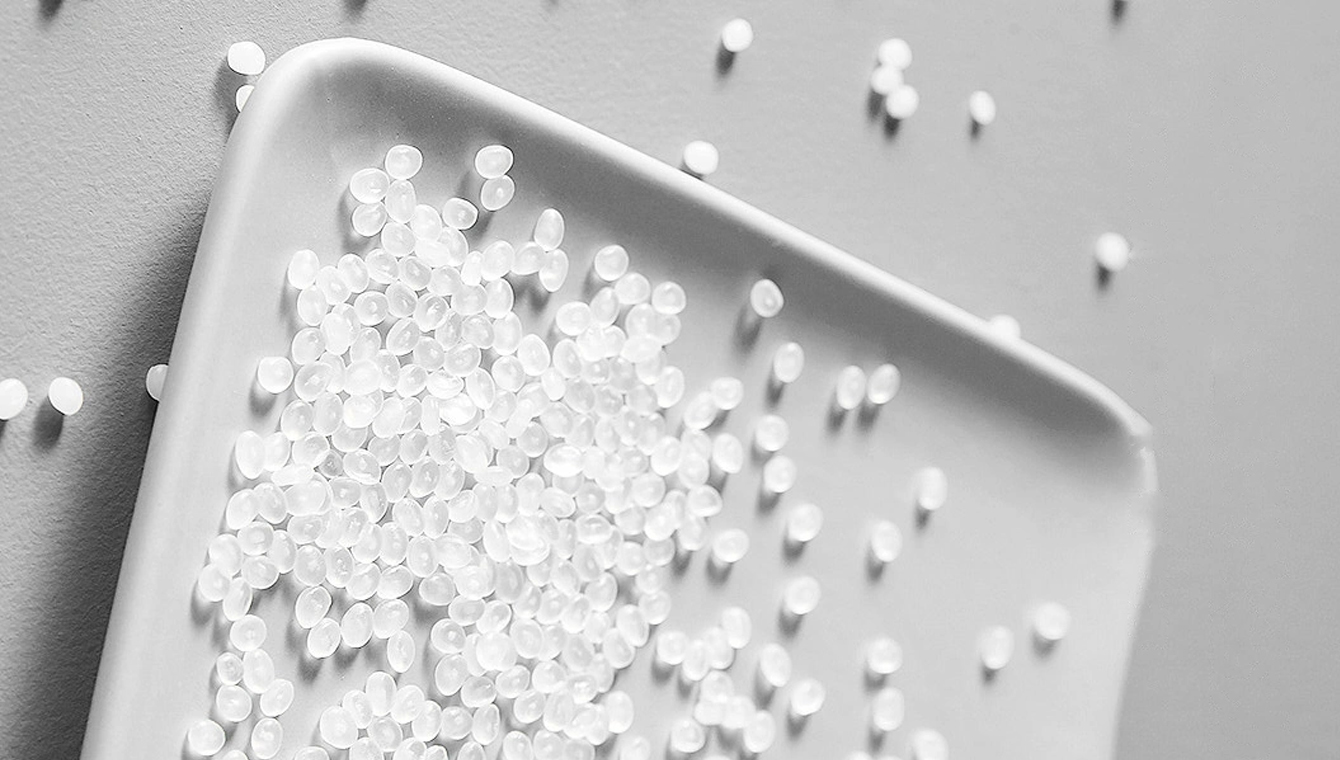
When selecting plastic containers, it is advisable to choose non-toxic, odorless, and heat-resistant options such as polypropylene (PP). Disposable plastic containers should be avoided, as they may contain potentially harmful additives like plasticizers.
Metal containers generally offer good sealing and corrosion resistance. However, care should be taken to avoid storing acidic or alkaline foods in them for prolonged periods, as these can corrode the metal and lead to the release of harmful substances.
Glass and ceramic containers are chemically stable and less likely to interact with food, making them safer choices for food packaging.
- Hygiene Standards for Food Packaging Containers
Beyond material safety, food packaging containers must also meet relevant hygiene standards. Containers should be clean, dry, odor-free, and free from contamination. Furthermore, some countries enforce stricter regulations on food packaging to ensure higher safety levels.
- Use and Disposal of Food Packaging Containers
When using food packaging containers, keep the following guidelines in mind:
First, prevent cross-contamination. Different types of food should be stored separately in dedicated containers. For instance, raw and cooked foods must be kept apart to avoid bacterial transfer from raw items to cooked ones.
Second, note the shelf life. Food packaging containers themselves have an expiration date. Containers that are past their shelf life may degrade or become deformed, compromising food safety. Always check the production and expiration dates before use.
Third, clean containers properly. Clean containers promptly after use to prevent food residues from encouraging bacterial growth. Use warm water with a mild detergent, then rinse thoroughly. Avoid harsh chemical cleaners, which may leave harmful residues.
Finally, dispose of containers responsibly. Discarded food packaging should be handled properly to minimize environmental impact. Recyclable containers should be placed in recycling bins, while non-recyclable ones should be disposed of in accordance with local waste management guidelines—never discarded carelessly.