

In today’s lifestyle of efficiency and convenience, plastic lunchboxes have become an indispensable daily necessity in modern life. They are lightweight, durable, and easy to clean. Plastic lunchboxes are increasingly being used in a wide range of applications. Whether for storing leftovers in the home kitchen, carrying lunches in the office, or as a convenient dining solution for outdoor activities.
However, there is a wide range of products on the market at different prices. Consumers often feel confused: what kind of plastic lunch box is really high-quality, safe, and practical? How to identify the best product for you from the many options available? This article will provide a detailed, actionable guide to help you to identify the quality of plastic lunchboxes. And there are five key dimensions: material safety, durability, sealing, ease of cleaning, and environmental friendliness.
- Material safety: the first line of defense for health protection
The material safety of a plastic lunch box is directly related to the user’s health. This is the primary factor that cannot be ignored in the selection process. A high-quality plastic lunch box should be used in accordance with the national food safety standards for raw materials. Of course, these materials have been strictly tested to ensure that under normal conditions of use will not migrate harmful substances to the food.
- Analysis of mainstream safety materials
The most common food-grade plastic materials on the market include:
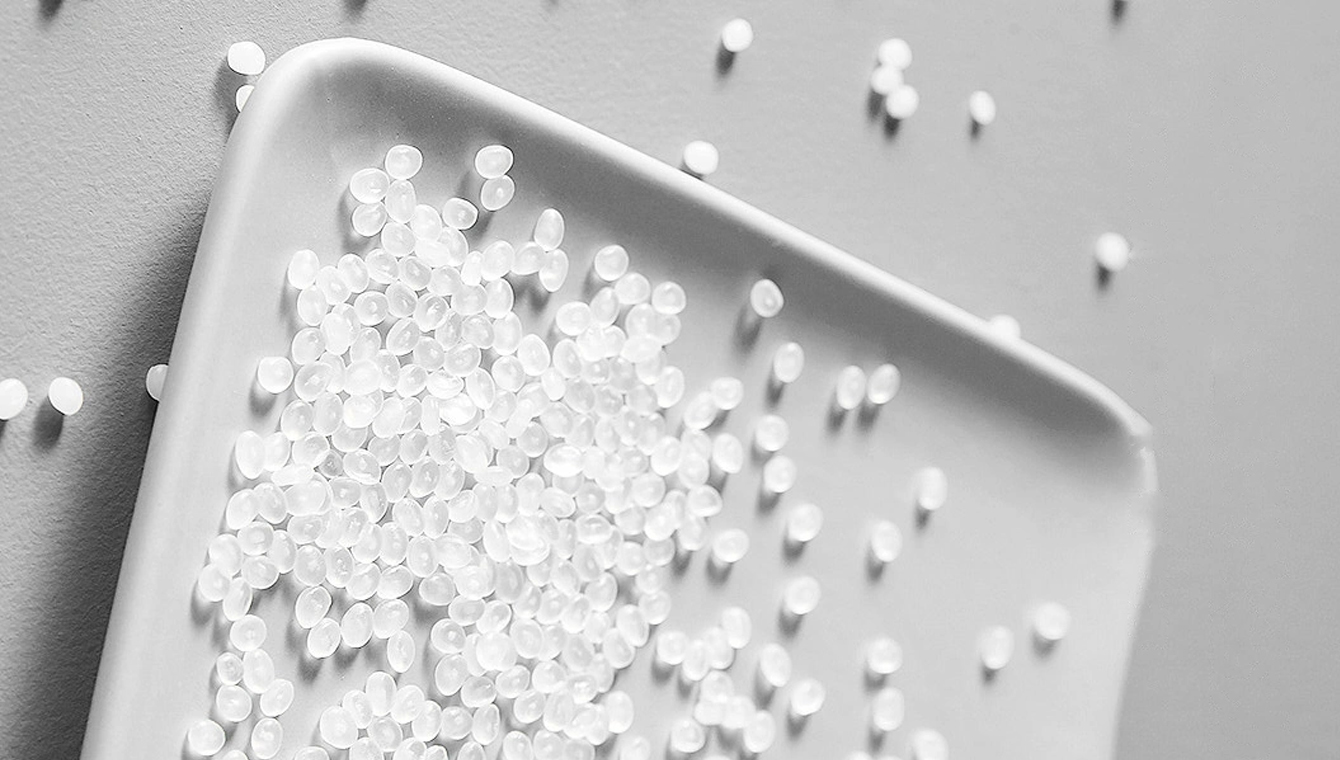
Polypropylene (PP): This is one of the safest and most widely used plastic lunch box materials. PP material is heat-resistant up to 120 ° C -140 ° C. It has excellent chemical and impact resistance and will not release harmful substances such as BPA, which is very suitable for microwave heating.
Polyethylene (PE): including HDPE and LDPE, this type of material is tough, has low temperature resistance, but poor heat resistance. This material is generally not recommended for high temperature heating.
Polycarbonate (PC): once widely used in plastic products, but is gradually being replaced by safer materials due to the potential release of BPA.
Tritan™ copolyester: a new high-end material that is completely free of BPA. It has very high transparency and excellent impact strength, as well as chemical resistance and high temperature resistance.
- Professional identification methods
Consumers can judge the material safety of plastic lunch boxes in the following ways:
First, check the product labeling. The qualified products produced by formal manufacturers will have food safety certification and material type marks. These marks will show on the bottom or on the label of the product. Pay particular attention to whether there are “food contact”, “microwaveable” , and other clear signs.
Second, observe the products’ characteristics. A safe plastic lunch box is usually highly transparent, with a uniform texture, no obvious impurities, or bubbles. Be wary of products that are too brightly colored or have a pungent odor, as they often contain unstable pigments or harmful plasticizers. Studies have found that certain poor-quality plastic products may contain environmental hormones such as phthalates. This may pose potential health risks with long-term exposure.
Third, understand the plastic recycling symbols. The numbers inside the triangle recycling symbol represent different types of plastics. “5” represents PP material, which is one of the most suitable materials for making lunch boxes; “1” is PET material; “6” is PS material. Correctly recognizing these symbols will help in the initial selection.
- Durability: long-term use value
Durability directly determines the service life and economy of plastic lunch boxes. A quality plastic lunch box should be able to withstand falling, extrusion, and temperature changes.
- Structural design and durability
A high-quality plastic lunch box will consider the following factors to enhance the durability in the structural design:
Uniform thickness: The precision injection molding process ensures uniform thickness in all parts of the lunchbox. This avoided vulnerable points caused by localized thinning.
Rounded transition: the corners are designed witha rounded transition instead of a right angle, which can reduce the risk of cracking.
Lid-body match: The lid and box body are matched with high precision, ensuring the sealing. Actually, it also avoids increased wear and tear caused by frequent opening and closing.
- Practical test methods
Consumers can use the following simple methods to initially assess the durability when making purchases:
Bending test: Gently bend the edge of the lunch box and observe its resilience. Quality materials should recover quickly after moderate bending without permanent deformation.
Pressing test: Press the bottom and side walls of the lunchbox with moderate force. To check whether there is any abnormal deformation or fragile sound.
Drop Simulation: Evaluate the structural strength of the product without actually damaging it. A quality lunchbox should make you feel “thick and solid”.
Temperature resistance assessment: Find out the nominal temperature range of the product, especially the high temperature resistance. A real quality lunchbox should be able to withstand the full range of temperatures from the refrigerator freezer to the microwave oven without cracking or deforming.
- Sealing: the core technology of preserving freshness and locking flavor
Sealing properties are one of the core functions of plastic lunch boxes, which directly affect the freshness of food and the convenience of carrying. An excellent sealing system not only prevents liquid leakage but also slows down the oxidative deterioration of food.
- Analysis of the sealing system
Modern high-quality plastic lunch boxes usually adopt multiple sealing designs:
Silicone sealing ring: Food-grade silicone ring has good elasticity and temperature resistance. This type of ring can fill the tiny gaps between the lid and the box, forming the first line of sealing defense.
Multi-layer snap design: Multi-point or full-perimeter snap can evenly apply pressure to ensure that the sealing ring is fully compressed and fit. Some high-end products use a “four-side locking” design, which has batter sealing effect.
Air pressure balancing valve: Some lunch boxes designed for microwaves are equipped with an air pressure balancing device. They adjust the internal pressure automatically when heating, in order to prevent the lid from bursting open due to high pressure.
Special edge structure: the upper edge of the box body adopts specially designed grooves or bumps, which complement the lid structure and enhance the sealing effect.
- Sealing performance test
Consumers can test the sealing performance by the following methods:
Static water tightness test: Fill the lunch box with about two-thirds of its capacity of water, close the lid tightly, invert it, and shake it slightly to observe whether there is any leakage.
Odor sealing test: Put in a small amount of spices or food with an obvious odor, such as garlic, cover tightly, and leave it for a period of time, check whether there is any odor escaping from the outside.
- Easy to clean: key considerations for hygiene maintenance
A well-designed lunch box should be easy to clean thoroughly, preventing the growth of bacteria and odor. High-quality plastic lunch boxes usually have the following characteristics in terms of ease of cleaning:
Integrated inner liner: no seams and screw holes inside to avoid dead space for food remaining accumulation.
Smooth surface treatment: the food contact surface is treated with high gloss, which makes it difficult for oil and dirt to attach, and is easy to wipe and rinse.
Reasonable corner curvature: the internal corners are designed with large rounded arcs. Because right angles are more difficult to clean.
Convenience of disassembly: For products with a sealing ring, the sealing ring should be easy to disassemble. So you can clean it to prevent mold from growing in the gap.
Dishwasher-safe logo: Dishwasher-safe products are usually specially designed and made of materials that can withstand high-temperature cleaning without deformation.
- Environmental friendliness: a responsible choice for sustainable living
As global environmental awareness increases, the environmental impact of plastic products is receiving more and more attention. As a responsible consumer, when choosing a plastic lunch box, in addition to considering practicality and safety, you should also pay attention to the environmental attributes of the product.
Environmentally friendly plastic lunchboxes are mainly embodied in the following aspects:
Recyclable Material Use: A single type of plastic or a combination of easily separable materials is used to increase recycling feasibility.
Long-life design: Extend the life of the product through high-quality materials and sturdy construction, reducing the frequency of replacement and minimizing waste generation at the source.
Recyclability Labeling: Clearly labeled plastic types and recycling guidelines to help consumers properly dispose of discarded products.
Bio-based or biodegradable materials: Some cutting-edge products use plant-based plastics or biodegradable materials to reduce environmental impact.
On the whole, choosing a quality plastic lunchbox is a systematic decision-making process that integrates material safety, durability, sealing, ease of cleaning, and environmental friendliness. Taking the time to learn about the product, checking for certification marks, and evaluating design details before purchasing; following proper cleaning and maintenance methods to maximize product performance during use; and properly disposing of the product at the end of its life in accordance with local waste classification requirements. These are all appropriate actions for responsible consumers.
In the fast-paced modern life, a high-quality plastic lunch box is not only a simple container for food storage, but also a multiple carrier for healthy eating, convenient living, and environmental responsibility. Through the guides provided in this article, we hope that every consumer can find the most suitable one for themselves, but also contribute to our common global environment.