

Abstract: For lunch box injection molding production lines, the integration of intelligent automation technologies can optimize production models, replace manual operations, reduce labor dependence, and minimize accident rates. This contributes positively to the economic benefits of both factories and their client companies. Therefore, this article primarily analyzes the current state of injection molding production and further elaborates on the upgrading of injection molding production lines through intelligent automation technologies.
Against the backdrop of continuous scientific and technological development and progress, numerous technological achievements have emerged. As a crucial piece of equipment for molding our lunch boxes, the technical parameters and performance of the injection molding machine are closely related to the injection molding process characteristics. Currently, injection molding machines are developing towards intelligence, energy efficiency, and automation. Automation, in particular, is a primary pathway for industrial production. It not only improves production efficiency and speed but can also replace manual production lines, and is poised to become a driving force in the future development of processing and manufacturing enterprises.
- Overview of Injection Molding Production:
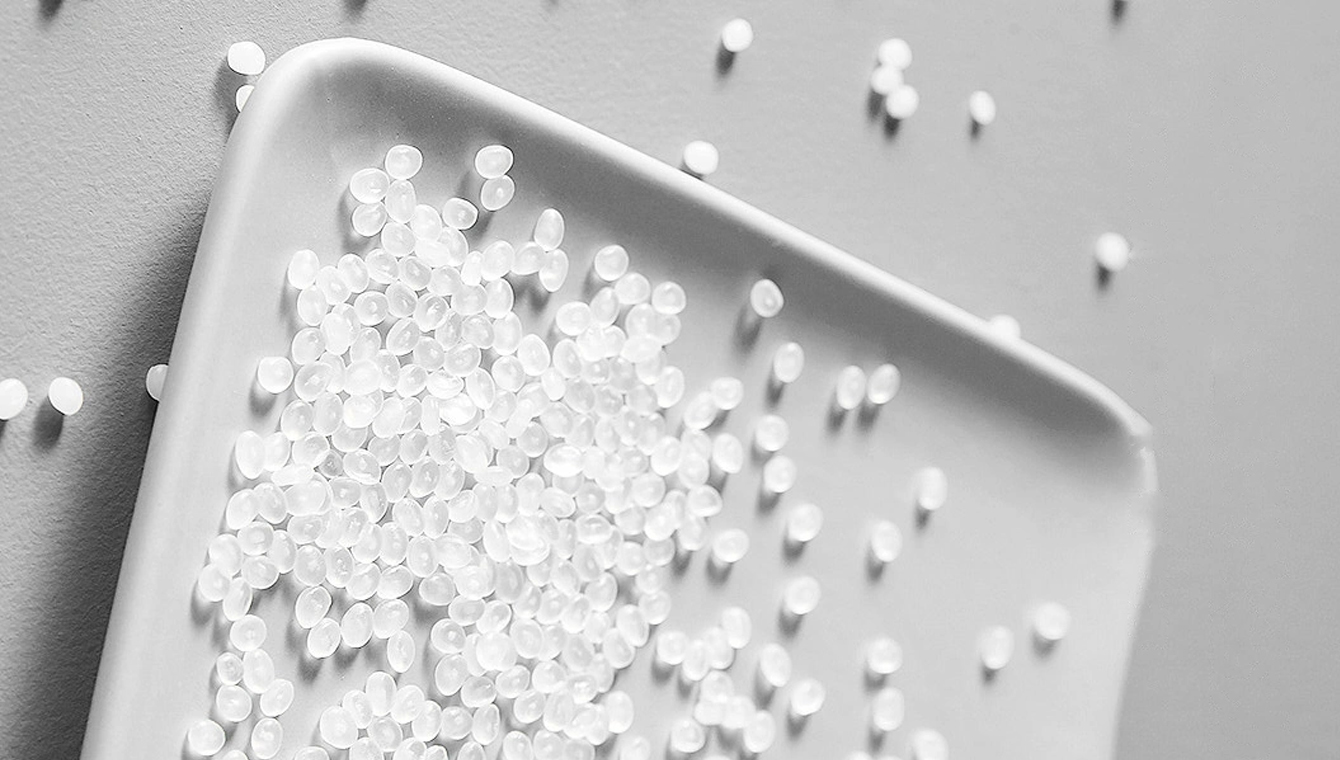
- The injection molding process is a forming technique used in the processing of material products, spanning numerous fields and industries. Injection molding relies on injection molding machines and molds for completion. Regarding the principle of the injection molding process, polymer materials must first be heated. Once the material reaches a molten state, pressure is used to rapidly inject it into a closed mold cavity. Subsequently, it undergoes cooling and solidification, resulting in the final formed product. The advantages of the injection molding process include diverse product colors, precise dimensions, flexibly adjustable sizes, and shapes that can be determined as needed. Furthermore, if the injection molding machine configuration is designed for multi-cavity production, the entire operation process can be automated, achieving extremely high production efficiency and enabling mass production.
- Analysis of Intelligent Automation Technology Design and Upgrades for Injection Molding Production Lines
- Technology Upgrade Solutions
2.1. Utilizing Servo Motors in Injection Molding Machines to Reduce Energy Consumption
Currently, injection molding production enterprises are developing rapidly. However, analyzing the cost composition of injection-molded products reveals that electricity costs account for a significant portion. Based on the actual requirements of injection molding machine setup and processes, traditional equipment consumes a substantial amount of electricity, with consumption reaching up to approximately 85% of total energy use in some cases. Therefore, adopting injection molding machines equipped with servo energy-saving technology is advisable. This not only reduces electrical energy consumption but can also enhance production speed.
2.2. Integration of Intelligent Robotic Part Removal and Deflashing
For injection molding production, if the product is relatively long, manual part removal poses challenges. After the product is ejected from the mold, operators need to work between the two mold halves, increasing the risk of safety incidents. Moreover, due to the product’s length, manual handling is quite inconvenient, especially for products with undercuts. Removing such parts often requires up-and-down shaking motions, which is both time-consuming and unsafe.
Additionally, injection-molded products typically require deflashing after forming. Manual deflashing is inefficient, and ensuring operational accuracy is difficult, readily leading to various quality issues.
Therefore, intelligent robots can be employed to address these problems and improve the traditional production mode of the injection molding line. Intelligent robots can be pre-programmed with instructions via a computer. They move products using traverse motions, with the main arm equipped with multi-angle rotation devices enabling precise positioning. This approach reduces dependence on manual labor and, more importantly, helps increase production efficiency and reduce safety hazards.
2.3. Intelligent Quick Mold Change Systems Replacing Manual Mold Changes
Regarding the replacement of large injection molds, the traditional manual operation mode is extremely complex. The specific procedure involves first dismantling the existing mold from the machine, then using an overhead crane to position and secure the new mold between the platens of the injection molding machine. During mold removal and installation, workers need to loosen or tighten screws, sometimes even operating while standing beneath the mold. This method presents significant safety risks, and the loading/unloading times are relatively long.
For production involving multiple batches of small quantities, the frequency of mold changes increases dramatically, and repeated changes waste a substantial amount of time. Consequently, it is necessary to introduce a quick mold change system. This system leverages a central computer to scientifically schedule molds. When a mold change is required, workshop personnel simply input the change command into the computer. The system can then promptly locate and dispatch the required mold, transporting it via track to the designated position, ready for installation. This contributes positively to enhancing the work efficiency of the injection molding production line.
2.4. Implementation of a Centralized Material Supply System
A centralized material supply system is a crucial system for the centralized processing and storage of raw materials. It enables automatic control of multiple machines and automatically delivers different raw materials to specified locations according to actual requirements. Compared to the traditional decentralized, machine-side material loading model, this approach not only reduces labor costs but also minimizes the need for auxiliary equipment and material handling around each injection molding machine, freeing up more usable space within the workshop. Furthermore, the use of a central material supply method can reduce the number of individual machine-side units, which aids in reducing electricity consumption and simplifying mechanical maintenance. It also contributes to a cleaner and more organized workshop environment, aligning well with the image of a modern factory.