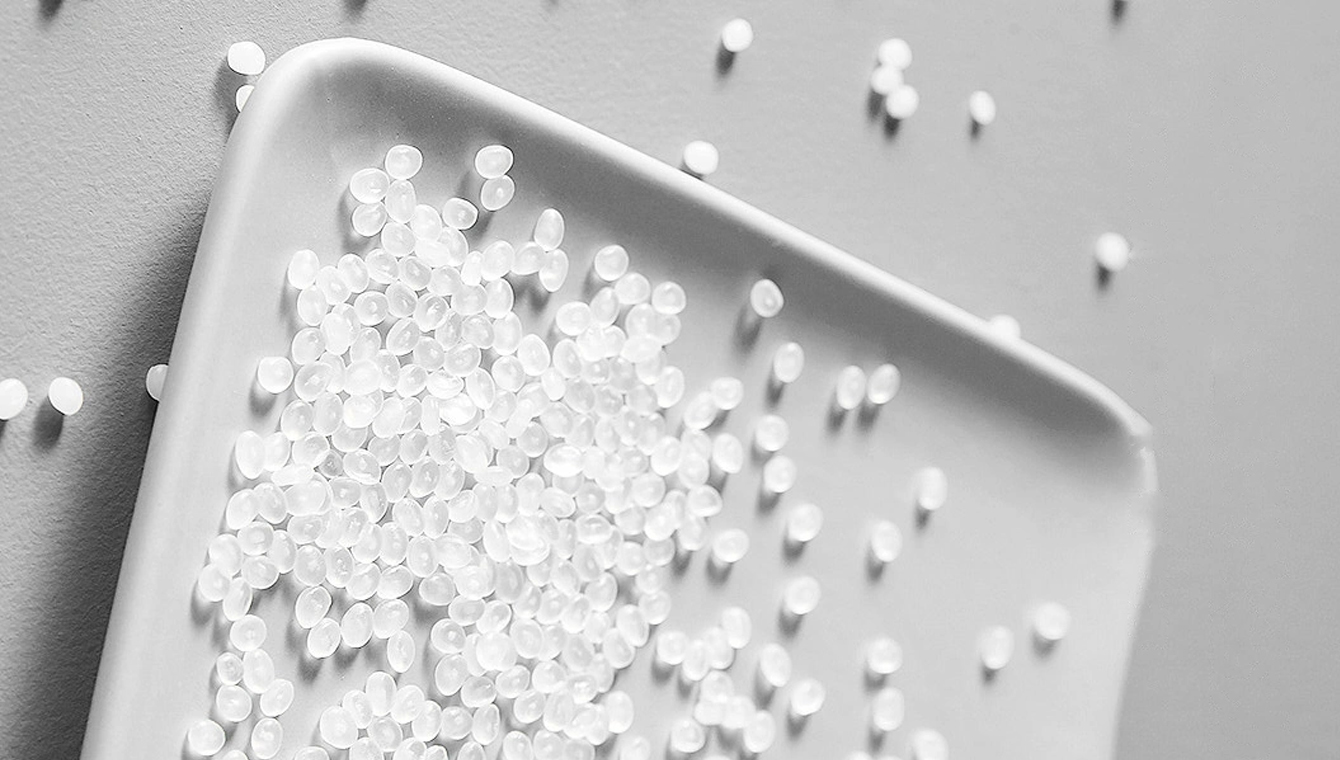


In the production process of joyofancy plastic lunch box, color matching is an extremely critical step. It is like injecting soul into plastic, instantly transforming monotonous plastic materials into vibrant products that meet various needs. Whether for everyday items pursuing fashionable appearances or industrial components with stringent color stability requirements, precise plastic color matching is vital for realizing product value.
Food-grade color masterbatches are specialized pigments widely used in the food industry, capable of adding bright and rich colors to food. In food manufacturing, color plays a crucial role in a product’s appeal and recognizability. This article will provide a detailed introduction to the production process of food-grade color masterbatches.
Part 1: Definition and Classification of Food-Grade Color Masterbatches
Food-grade color masterbatches refer to chemicals used in food production that provide coloring effects. Based on their color characteristics, they can be classified into two categories: natural pigments and synthetic pigments.
1.1 Natural Pigments: These pigments are typically derived from natural sources such as plants, animals, microorganisms, and minerals. Common natural pigments include carmine, yolk red, and carotenes.
1.2 Synthetic Pigments: These pigments are obtained through chemical synthesis, usually offering a wider color range and more stable properties. Common synthetic pigments include iron oxides, FD&C Blue No. 1, and FD&C Red No. 40.
Part 2: Production Process of Food-Grade Color Masterbatches
The production process of food-grade color masterbatches mainly involves raw material preparation, pigment extraction or synthesis, refining, and packaging.
2.1 Raw Material Preparation: Source the corresponding raw materials based on the type of pigment. For natural pigments, this involves extraction or separation to obtain the color product. For synthetic pigments, it requires chemical synthesis based on specific formulas and reaction conditions.
2.2 Pigment Extraction or Synthesis: For natural pigments, methods like solvent extraction, purification, and filtration are used to obtain the target pigment. For synthetic pigments, various organic synthesis reactions or mineral extraction methods are employed. This step requires strict control over reaction conditions, extraction efficiency, and purity.
2.3 Refining: The obtained colorant usually undergoes further processing to enhance color stability, purity, and dryness. This includes treatments like filtration, crystallization, concentration, drying, and grinding.
2.4 Packaging: The refined color masterbatch is packed into containers meeting hygiene standards to ensure product quality and safety. Typically, masterbatches are portioned into packages of different sizes with appropriate labels for ease of use and identification.
Color matching, on the other hand, involves combining two or more pigments or dyes to achieve a visual effect close to the original standard color. Plastic color matching can impart additional functionalities to plastic products, such as improving light resistance, weather resistance, conductivity, and anti-static properties. In essence, color matching enables plastics to meet specific application requirements.
Color matching and synthesis primarily rely on daylight, which is why the light source for comparison must be determined before matching begins. There is a fundamental difference between plastic color matching and paint color matching: plastic color matching uses the “subtractive color method,” while paint color matching uses the “additive color method.” Both are based on the three primary colors—red, yellow, and blue—to create satisfactory colors that meet color card deviation requirements, are cost-effective, and do not fade during dyeing, pelletizing, processing, or use.
The following points require attention during the color matching process:
- Based on communication with the client, first confirm the light source for comparison.
According to the standard sample’s color and the base material to be colored, select the appropriate types of pigments.
- For the same standard sample but with different base materials, pigment selection must be careful. For example, if the sample is PP material, but the color needs to be matched for bases like PP, PE, ABS,, PC, if color conditions permit, try to use the same type of inorganic pigments and adjust proportions to avoid metamerism. This is the ideal scenario. When matching bright, vivid colors, the categories of pigments chosen for general-purpose plastics and engineering plastics may differ, leading to metamerism. Taking Pantone 485C red as an example: for PP and PE, pigments like 254 Red, BBC Red 48:2, or Golden Light Red C might be used for adjustment; for ABS, PC, dyes/pigments like 135, 111, 179 could be selected; ,but costs increase significantly, and the visually perceived color tone will always differ, even if the colorimeter measures a small ΔE.
- With the same base material but different structures, color formulations can differ significantly. For example, within PP—homopolymer PP, copolymer PP, random copolymer PP—although all are polypropylene, their different structures mean that even when matching the same color to the same ΔE requirement, the required pigment proportions can vary greatly.
- With the same base material but different batches, the pigment formulation can be noticeably different. A common example is ABS, an issue unresolved by ABS manufacturers and the industry for years. Due to its special structure, ABS synthesis cannot guarantee a consistent base color, resulting in some batches having a whiter base and others a yellower base during color matching.
- For materials prone to moisture absorption that require drying before color matching, pay close attention to drying time and temperature. Examples include ABS, PC, especially ABS. Excessive drying time or temperature can cause severe yellowing.
- Substances produced by the decomposition of raw materials at high temperatures can react with pigments. For example, when coloring PVC raw materials, pigments with good acid resistance must be selected. Ultramarine and iron oxide pigments cannot be used because PVC decomposes at high temperatures to produce HCl gas (which becomes hydrochloric acid when meeting water), which can chemically react with these pigments.
Note the addition of additives, fillers, or glass fibers in modified base materials. When color matching in modified plastic plants, to meet special requirements like weather resistance, heat-oxygen aging resistance, anti-static properties, reinforcement, or filling, the addition of additives, fillers, or glass fibers can alter the base material’s color. Also, the processing temperature in the extruder barrel during pelletizing changes, requiring attention when selecting pigments.
- When using effect pigments like pearlescent pigments, aluminum silver powder pigments, or copper gold powder pigments in color matching, consider the client’s subsequent usage: whether for direct dry-blending production or requiring twin-screw extrusion pelletizing first. These processes can significantly change the color and surface quality of effect pigments.
- Special attention must also be paid to pigment complementary colors and undertones during color matching. Why might a matched color seem off visually even if the colorimeter shows a small ΔE? When matching bright colors, understanding complementary colors is essential. For example, when matching a PP green with a yellowish undertone, using C.I. Green 7 with C.I. Yellow 81 is less effective than using C.I. Green 36 with C.I. Yellow 81. This is because C.I. Green 36 itself has a stronger yellowish undertone; less yellow needs to be added during matching, minimizing the impact on the pigment’s own saturation, resulting in a visually vibrant color. If the two greens remain the same but the yellow is replaced with a reddish-undertone yellow like C.I. Yellow 110, the resulting green will appear dull. Emphasize the importance of noting the inherent undertone of dyes/pigments. Many commercial dye/pigment names include a suffix code indicating their undertone.
- The color matching process must be meticulous and thorough. After completing a color match, always remember to prepare a small sample batch of the colorant and re-mold a test plaque to confirm the accuracy of the formulation. During the process, keep all selected pigments neatly arranged. Weigh them in order from smallest to largest quantity to avoid contamination, mixing, or weighing errors.
The production and application of food-grade color masterbatches bring a colorful world to our lunch box and food storage box, enhancing product appeal and recognition. Since masterbatches are directly applied in food, safety and quality assurance are the paramount considerations.