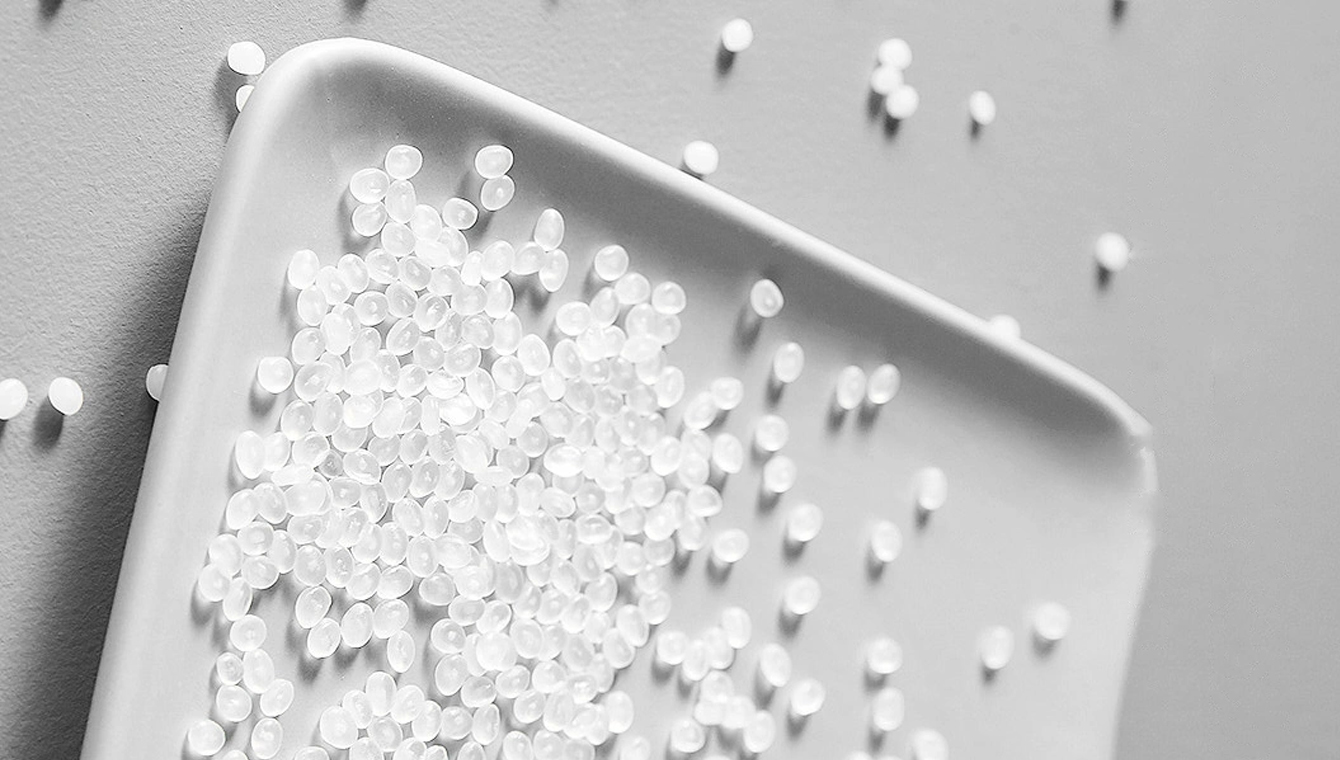


Plastic products are indispensable items in our daily life, they are everywhere and bring convenience to our life every moment. There are a lot of everyday items like sports cups, lunch boxes, and food storage containers. However, have you ever wondered how those plastic products are actually born? Next, let’s go into the production workshop together and unveil the complete production process from raw materials to finished products. And explore the hidden technology and techniques behind these seemingly ordinary objects.
- Raw material selection: the “genes” of plastics
Raw materials of plastic products directly determine the quality and characteristics of the final product. Most of these raw materials come from the petrochemical industry chain. They are refined and synthesized to form polymer materials with strong plasticity and stable properties. Common basic raw materials include polypropylene (PP), polycarbonate (PC), and ABS resin.
Polypropylene (PP) is a cost-effective general purpose plastic. It has relatively low transparency and gloss, and its rigidity and surface hardness have some limitations. However, its impact resistance is excellent, and it maintains good toughness, especially at low temperatures. This material is safe, non-toxic, chemically resistant, and easy to process, so it is widely used in the field of daily necessities. Whether the lunch box and fresh food containers we use at home, or the folders and storage boxes we use at the office, PP materials are playing an important role.
Polycarbonate (PC), known as “transparent metal,” features exceptionally high light transmittance, surface gloss, and outstanding mechanical strength. It also exhibits heat resistance and impact resistance, making it a standout among transparent plastics. Everyday items like sports water bottles, space cups, and even various lighting fixtures are often crafted from this material.
In contrast, ABS resin is recognized for its “all-rounder” characteristics. It strikes an excellent balance between mechanical properties, heat resistance, and surface texture. This material is not only easy to injection mold but also suitable for secondary processing such as electroplating and spraying. Consequently, it is widely used in toys, appliance housings, and high-quality daily necessities.
- Color Scheme Craft: The Magic of Colors
The vibrant colors of plastic products aren’t innate; they’re crafted with precision through professional color-matching processes. Color matching is not only part of aesthetic design but also directly impacts a product’s market appeal and brand recognition. Therefore, manufacturers often regard it as one of their core trade secrets.
The coloring process is typically completed during the raw material preparation stage. Operators follow preset color chart formulas to load plastic pellets, the appropriate amount of color powder, and machine oil into a high-speed mixer. The machine oil serves a key role in wetting and dispersing the color powder. It ensures the color powder adheres uniformly to the surface of the plastic pellets, preventing color variations or spots during subsequent processing. After thorough mixing, the originally colorless plastic raw material is imparted with a consistent hue. transforming it into colored material ready for direct molding. Finally, they become coloring materials that can be directly used for molding.
It is worth noting that in some mid-end, high-end, or functional products, “raw material blending modification” is also employed. For instance, by scientifically blending ABS’s gloss, PP’s toughness, and PC’s transparency. It is possible to create materials that combine multiple advantages. However, such blended materials are rarely used in food contact products to ensure their safety and chemical stability.
- Mold Design: The Art of Shaping
In modern plastic processing, injection molding and blow molding are the two dominant techniques. The launch of nearly every new product signifies the creation of an entirely new set of molds.
The manufacturing of molds is inherently a precision engineering endeavor. It requires 3D design based on product structure, taking into account numerous details such as draft angles, cooling channels, and venting systems. Moreover, molds are fabricated from high-quality steel through a series of processes, including CNC machining, EDM, and polishing.
Take a common plastic lunch box as an example. It may consist of multiple components such as the main body, lid, inner container, and handles. Each component requires its own dedicated mold for production. The precision of the molds directly determines whether the product dimensions are accurate, the surface is smooth, and the assembly fits perfectly. Only high-quality molds can ensure consistency and efficiency in subsequent mass production.
- Forming Process: From Granules to Finished Products
The forming stage of plastic products is the core of the entire production process. In the injection molding workshop, pre-processed colored plastic pellets are fed into the hopper of the injection molding machine. Under the action of electric heating coils, they gradually melt into a viscous flow state. Subsequently, the screw applies high pressure, injecting the molten plastic at high speed into the tightly closed mold cavity. After a period of pressure holding and cooling, the plastic solidifies and takes shape. The mold opens, and a formed part is ejected by a robotic arm or ejector pin.
The entire process is highly automated. From feeding materials to producing finished parts typically takes only tens of seconds to one minute, achieving extremely high production efficiency. The primary tasks for operators are monitoring equipment operation and conducting periodic spot checks on the products. Inspect the product for defects such as missing material, sink marks, flash, or color variation.
For hollow container products such as water bottles and oil jugs, blow molding is the predominant manufacturing method. This process first forms plastic into a tubular parison, then places it in a mold. With the application of compressed air, the parison expands to conform to the mold walls. Upon cooling, a seamless hollow product is formed. Blow-molded items are characterized by uniform wall thickness, high structural integrity, and excellent pressure resistance.
- Surface Decoration: Adding Personality and Aesthetic Appeal
Most molded plastic parts are plain-colored semi-finished products. They require subsequent surface treatments to enhance their visual appeal and added value. Among these, printing and hot stamping are the most common decorative methods.
Patterns with small sizes or multiple colors are usually realized by means of screen printing or pad printing, where workers or robotic arms transfer ink onto the surface of products partially through printing plates. For large-area decorations, especially those requiring metallic sheen, hot stamping is frequently employed. During hot stamping, pre-printed foil sheets are applied to the plastic surface. Under heat and pressure, the coating from the foil transfers and adheres, creating a durable, glossy decorative finish.
- Assembly and Quality Inspection: The Final Presentation
Once all components are manufactured and surface finishing is complete, the assembly phase begins. Depending on the product structure, workers or automated equipment will use approaches such as snap-fits, threads, ultrasonic welding, or adhesive bonding to integrate each individual part. A simple plastic lunchbox may require assembling a plastic snap-fit with a plastic lid, while a sports water bottle might involve combining multiple components, such as the spout, lid, and bottle body.
Assembly completion does not indicate the end of the process; each product must undergo final inspection. Inspection content includes visual integrity, color consistency, assembly stability, and functional performance. Only qualified products are permitted to proceed to the packaging stage.
- Packaging and Shipping: Entering the Market
After passing inspection, plastic products will undergo cleaning and dust removal before being packed into plastic bags or cardboard boxes. Each package is labeled with the product name, specifications, material composition, and usage precautions. For high-gloss surfaces prone to scratches or requiring dust protection, extra protective film or spacer pads are added. Packaged products are organized by order and stored in the warehouse. They are ultimately shipped via logistics to supermarkets, e-commerce warehouses, or directly to customers.
From a single plastic pellet to the functional plastic product in our hands, the journey involves the seamless integration of materials science, mechanical engineering, and process design. Each step embodies the wisdom and precision of manufacturing. Today, as environmental awareness grows, green materials like biodegradable plastics are increasingly entering production lines, infusing this traditional industry with new vitality for sustainable development. The next time we use a plastic item, we may not only appreciate its lightness and practicality but also recognize the intricate, orderly industrial language that lies behind it.