

Preface
In modern life, reusable water bottles and sport flasks have become everyday essentials. However, as public concern over environmental hormones like BPA (Bisphenol A) grows, traditional PC plastic is being phased out. Replacing it is a material that promises safety, durability, and glass-like clarity: Tritan.
Many parents choosing kids’ water bottles or fitness enthusiasts buying shaker cups have come across this name. But have you ever wondered: Is Tritan really good? Is it as flawless as advertised?
In reality, even among products labeled “Tritan,” heat resistance can vary dramatically. Some users have shared frustrating experiences online of their bottles shrinking or deforming when exposed to hot water.
This article dives deep into Tritan’s material properties, pros and cons, comparisons with other materials, and—most importantly—how to clean and use it safely.
What Is Tritan? And Why Is It Called “Modified PCT”?
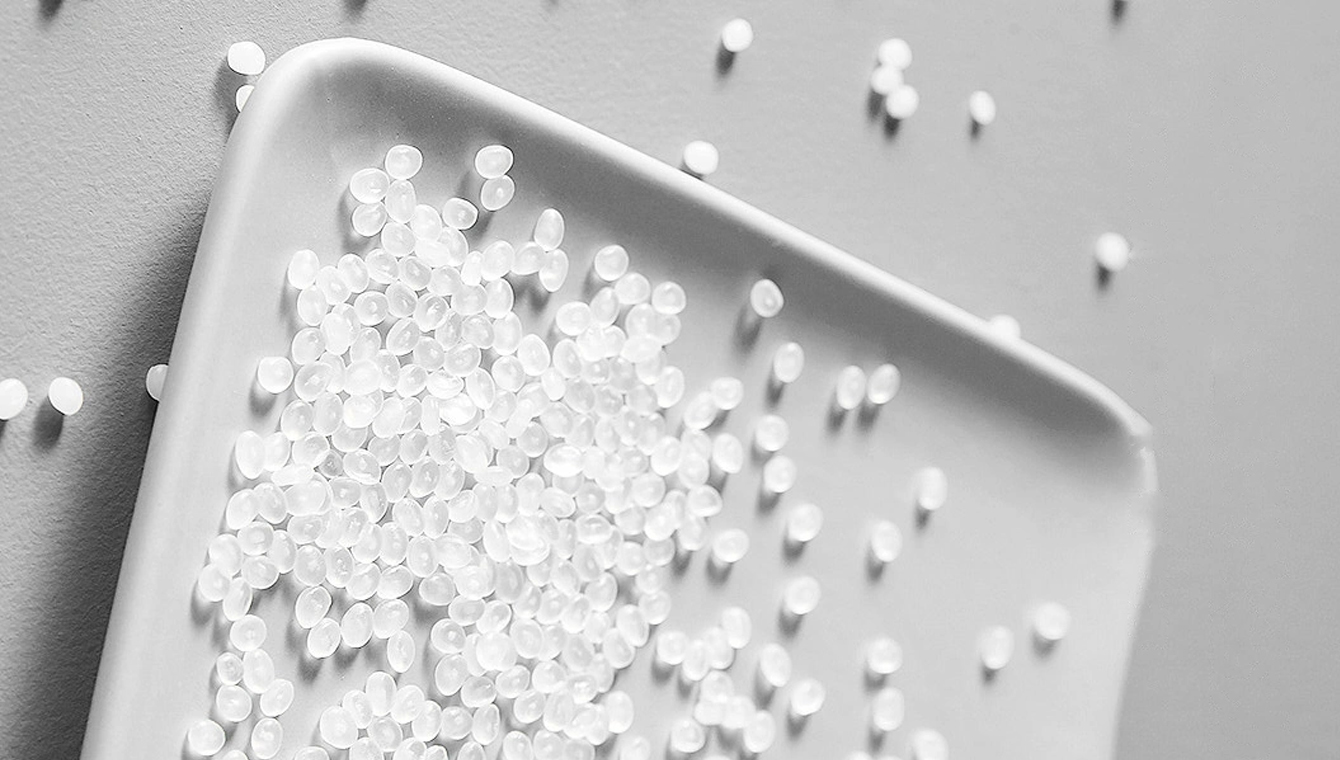
Tritan™ (full name: Tritan Copolyester) is a copolyester plastic developed by Eastman, a major U.S. chemical company. It was created primarily to replace polycarbonate (PC) plastic, which contains BPA.
Tritan is technically classified as “Modified PCT” (Poly Cyclohexylene Dimethylene Terephthalate, Glycol Modified). It is FDA-approved in the U.S. and is notable for being manufactured without BPA or BPS (Bisphenol S). This means it does not leach endocrine-disrupting chemicals, making it a popular choice for baby bottles, high-end sport bottles, and medical devices.
5 Key Advantages of Tritan
1. High safety (BPA-free) – This is Tritan’s biggest selling point. It has been certified by multiple regulatory bodies (including the U.S. FDA and European EFSA) as non-leaching. For parents worried about early puberty or hormonal issues, this is often the top priority when choosing a child’s bottle.
2. Excellent impact resistance – Unlike glass, which shatters easily, Tritan is tough and impact-resistant. Even if dropped during outdoor sports, it rarely breaks. This is a major plus for active kids or hikers.
3. Glass-like transparency – Tritan has a light transmittance of over 90% and haze below 1%, giving it a look and feel very close to glass. This solves the cloudy, cheap-looking appearance of traditional PP plastic.
4. Odor and stain resistance – Although still a plastic, Tritan has a dense surface that resists absorbing smells or colors (like tea or coffee stains) better than PP. It’s easier to clean and stays fresh-looking.
5. Lightweight – Compared to heavy stainless steel vacuum bottles or glass, Tritan is extremely light. It’s great for carrying around, especially for large-capacity bottles (1.5L or 2L), significantly reducing daily load.
Disadvantages and Potential Risks You Should Know
Despite being considered a “safe plastic,” Tritan is not perfect. Users on forums like Reddit and PTT have pointed out real-world issues:
– Heat resistance trap (shrinkage horror stories) – This is the most common misunderstanding. Not all Tritan bottles can handle 100°C (212°F). Tritan comes in different grades, with heat tolerance ranging from 90°C to 109°C (194°F–228°F). A real example: a PTT user shared that a well-known kid’s bottle labeled as Tritan was severely deformed when boiled for sterilization. It turned out the bottle used Tritan Renew (contains recycled content) and was only rated for 70–90°C (158–194°F). Always check the temperature rating on the bottom of the bottle before buying.
– Sensitivity to citrus oils (clouding damage) – Tritan reacts badly to the essential oils in citrus peels. If you put lemon slices or orange peels in the bottle and don’t wash it promptly, or if you use a dish soap containing citrus oils, the bottle can develop permanent white crazing (cloudiness) and lose its transparency.
– Scratches and microplastic concerns – While Tritan is shatter-resistant, it’s not as hard as glass. Over time, scrubbing with rough sponges or abrasive brushes can leave micro-scratches. These scratches trap dirt and bacteria. Some discussions also suggest physical wear may lead to microplastic release.
– Higher price – Because raw material costs are more than double that of traditional PC, Tritan bottles are generally more expensive.
Cleaning & Care: How to Avoid Clouding and Scratches
1. Never use scrub pads or steel wool – Always use a soft sponge or a dedicated cleaning brush. Once Tritan gets scratched, bacteria can build up, and the scratches are permanent.
2. Choose your detergent carefully – Avoid strong alkaline cleaners or dish soaps that contain citrus essential oils. As mentioned, citrus oils can chemically attack the surface, causing permanent clouding. Use a mild, neutral detergent.
3. Dishwasher and sterilizer guidelines – Most Tritan bottles claim to be dishwasher-safe, but place them on the top rack (away from the heating element) and use a low-temperature cycle. High-heat drying may deform lower-grade Tritan. Avoid prolonged UV exposure, as it can accelerate yellowing and aging. Unless the bottom of the bottle clearly states a heat resistance above 100°C (212°F), do not submerge it in boiling water. A quick rinse with hot water is safer.
Tritan FAQ
Q1: Can I put hot water in a Tritan bottle?
A: It depends on the specific grade. While Tritan itself has a relatively high melting point, many commercial products (especially those focused on aesthetics or using Tritan Renew with recycled content) may only be rated up to 90°C (194°F) or 96°C (205°F). If you want to pour freshly boiled water (100°C / 212°F), check that the label or manual specifies a heat rating above 100°C. Otherwise, let the water cool to about 80°C (176°F) first.
Q2: My Tritan bottle has scratches or looks cloudy. Can I still use it?
A: Minor clouding (e.g., from citrus peels) is usually cosmetic and doesn’t affect safety. However, if there are deep scratches, cracks, or heavy cloudiness, it’s best to replace the bottle. Scratches can trap bacteria and dirt, and compromised physical structure reduces impact resistance.
Q3: Is Tritan completely free of plasticizers or toxicity?
A: Tritan is manufactured without BPA or BPS and has passed FDA and EU safety certifications. Among plastics, it’s considered a relatively safe choice. However, some scientific debate continues about whether all plastics might release trace other chemicals under extreme conditions. If you want zero chemical leaching, glass or ceramic-coated stainless steel are still better than any plastic.
Q4: Why did my Tritan bottle turn white after I put lemon water in it?
A: This is a known characteristic of Tritan. The peels of citrus fruits (lemons, oranges, grapefruits) contain essential oils like limonene, which react with copolyester and cause surface clouding. If you want to use lemon water, either peel the fruit first or use a glass or stainless steel container.
Final Verdict
Is Tritan good?
As a replacement for PC plastic, Tritan is one of the best plastic options on the market today, offering a strong balance of light weight, impact resistance, and safety. It solves the BPA concern and delivers excellent clarity.
But it’s not indestructible or perfect. Users need to move past the “all plastics are the same” mindset and pay close attention to heat rating differences and the citrus oil warning.
If you need a bottle for school, sports, or the gym, Tritan is a great choice. However, if you primarily need to hold boiling hot water, acidic drinks with citrus peels, or you’re extremely concerned about micro-scratches, stainless steel or glass may suit you better.