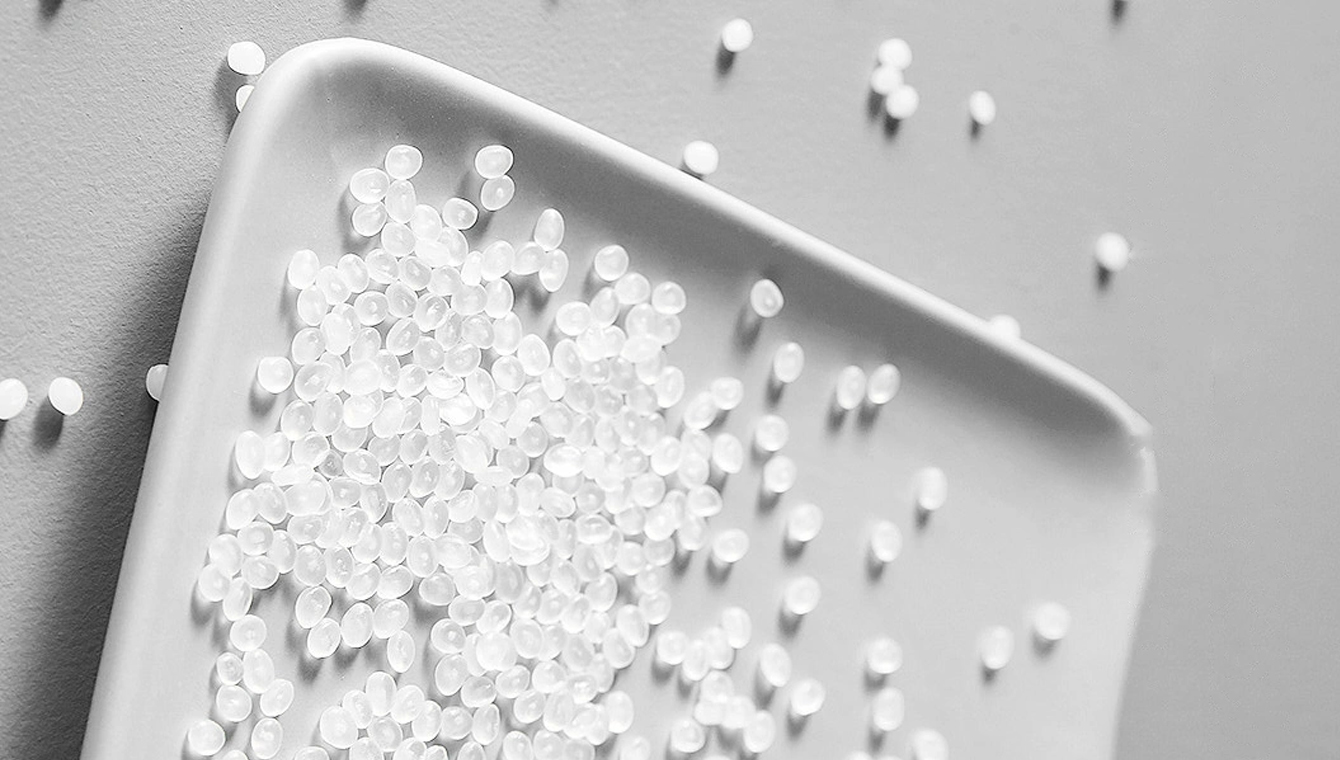


In plastic lunch box injection molding, holding pressure time is a critical process parameter directly affecting both the molding quality and the operating condition of the mold. Whether the holding pressure time is set properly determines not only the dimensional accuracy, surface appearance, and mechanical properties of the lunch box, but also the mold’s stress distribution, wear level, and overall service life. Optimizing holding pressure time based on mold structure, cooling conditions, and plastic shrinkage behavior helps reduce molding defects, minimize mold wear, and enable stable, high‑efficiency mass production. This ultimately improves the lunch box pass rate and enhances production economics.
1. Basic Function and Molding Principle of Holding Pressure Time
Holding pressure time refers to the period during which the screw continues to apply pressure after the cavity has been filled, compensating for melt shrinkage as the plastic solidifies. The plastic used for lunch boxes shrinks during cooling. Without sustained pressure compensation, defects such as sink marks, voids, and dimensional deviations are very likely to occur. The combined effect of holding pressure and its duration ensures that the melt is fully compacted and uniformly cooled inside the cavity. The length of holding pressure time directly determines whether the part is adequately compensated for shrinkage and whether cavity pressure remains stable. At the same time, the mold—as the carrier of melt shaping—has its gate size, cavity geometry, and cooling layout influencing the effectiveness of holding pressure. Improper holding pressure settings, in turn, impose additional loads and wear on the mold, further affecting part quality.
2. Key Effects of Holding Pressure Time on Lunch Box Quality
2.1 Impact on Dimensional Accuracy and Stability
Insufficient holding pressure time fails to compensate for plastic shrinkage, resulting in parts that are undersized and unevenly shrunk. Dimensional deviations are more pronounced in areas with large wall thickness differences or complex geometries (e.g., edges, compartments), directly affecting assembly precision (such as lid‑to‑base fit). Conversely, excessive holding pressure time leads to over‑packing, increasing internal stresses that cause warpage and distortion after cooling, pushing critical dimensions out of tolerance. In multi‑cavity molds, improper holding pressure time can also produce inconsistent part dimensions across cavities, severely undermining batch‑to‑batch stability.
2.2 Impact on Surface Appearance
Too short a holding pressure time tends to produce sink marks, depressions, bubbles, and short shots on the part surface. These issues are especially pronounced at the roots of ribs and thick sections (e.g., bottom and sidewall junctions). For high‑gloss or matte finish parts, even minor defects can cause rejection. Excessively long holding pressure time often leaves visible gate marks, flash, flow lines, and cold slug marks near the gate, degrading surface smoothness and increasing post‑molding finishing work.
2.3 Impact on Mechanical Properties
A proper holding pressure time promotes uniform crystallization and internal density of the melt, enhancing the lunch box’s tensile strength, impact resistance, and durability—ensuring it does not easily break or deform during use. Under‑holding results in a loose internal structure with voids, drastically reducing mechanical properties and leading to brittle fracture in service. Over‑holding builds up excessive internal stress. Although short‑term strength may appear acceptable, long‑term use or temperature fluctuations can cause stress cracking, significantly shortening the product’s service life.
3. Impact of Holding Pressure Time on Mold Condition and Service Life
3.1 Accelerated Wear and Deformation of Mold Components
During the holding phase, the mold is subjected to sustained high pressure. Excessively long holding pressure time keeps core components (cavity, core, gate bush) under high load for too long, accelerating surface wear, galling, and deformation. The gate area is particularly vulnerable: prolonged high pressure can enlarge the gate and cause uneven wear, which not only impairs subsequent holding effectiveness but also increases maintenance frequency and costs. Over time, improper holding pressure settings substantially shorten the mold’s overall service life, indirectly affecting production efficiency and part quality consistency.
3.2 Influence on the Mold Cooling System and Thermal Balance
Holding pressure time is closely related to mold cooling efficiency. Overly long holding extends the melt’s residence time in the cavity, increasing the load on the cooling system and leading to uneven mold temperature distribution. Under repeated thermal cycling and sustained high pressure, the mold develops thermal stresses; after prolonged operation, micro‑cracks and cavity deformation may appear. Uneven cooling further amplifies part defects (e.g., differential shrinkage, warpage), creating a vicious cycle between part quality deterioration and mold wear.
3.3 Increased Risk of Mold Failures and Production Issues
Too short a holding pressure time can cause local pressure deficiency, resulting in part sticking and ejection difficulties, which raise the risk of mold surface damage during ejection and also cause scratches or breakage on the part. Excessively long holding pressure may lead to over‑pressure in the cavity, causing flashing at the parting line and even damaging the mold’s guiding system and clamping mechanism. For molds producing precision lunch boxes or hot‑runner molds, uncontrolled holding pressure time can easily lead to runner blockage, heater overload, and other failures, disrupting normal production.
4. Practical Guidelines for Optimizing Holding Pressure Time Based on Mold Structure
Different mold structures have significantly different requirements for holding pressure time. For molds producing parts with uniform wall thickness and single cavities, the holding pressure time can be relatively short. For molds with complex geometries (e.g., multiple compartments, handles), multi‑cavity layouts, uneven wall thickness, deep cavities, or fine ribs, a longer holding pressure time is usually needed to ensure adequate packing. Gate type also influences the setting: pin gates and side gates freeze off quickly, requiring precise control of holding pressure time to avoid premature gate solidification that would hinder packing. Large direct gates and fan gates have larger flow areas, allowing slightly longer holding times to improve part compaction. In production, adjustments should be made stepwise through trial molding, taking into account the specific plastic material, part wall thickness, and mold cooling rate, to find the optimum holding pressure time that ensures part quality without damaging the mold.
Conclusion
Holding pressure time is a core parameter in injection molding of plastic lunch boxes, balancing part quality and mold service life. Its setting directly affects dimensional accuracy, surface appearance, and mechanical properties of the lunch box, while also influencing mold wear, thermal balance, and longevity. In actual production, holding pressure time should never be set in isolation. Instead, it must be tuned holistically, considering mold structure, cooling system, and material characteristics. The goal is to achieve adequate packing without overloading the mold—thereby effectively reducing common defects such as sink marks, warpage, and cracking, while minimizing mold wear and extending its service life. This leads to stable, efficient, and low‑cost injection molding of plastic lunch boxes.